What Every Boutique Hotel Website Should Have
Understanding Boutique Hotel Website Must-Haves
In today's competitive market, having a well-optimized boutique hotel website is crucial for attracting and retaining guests. A boutique hotel website must-haves checklist will help you identify the essential features that can enhance guest experience and boost direct bookings. With guests often finding you on platforms like Booking.com, it’s vital to ensure your website stands out and encourages direct bookings.
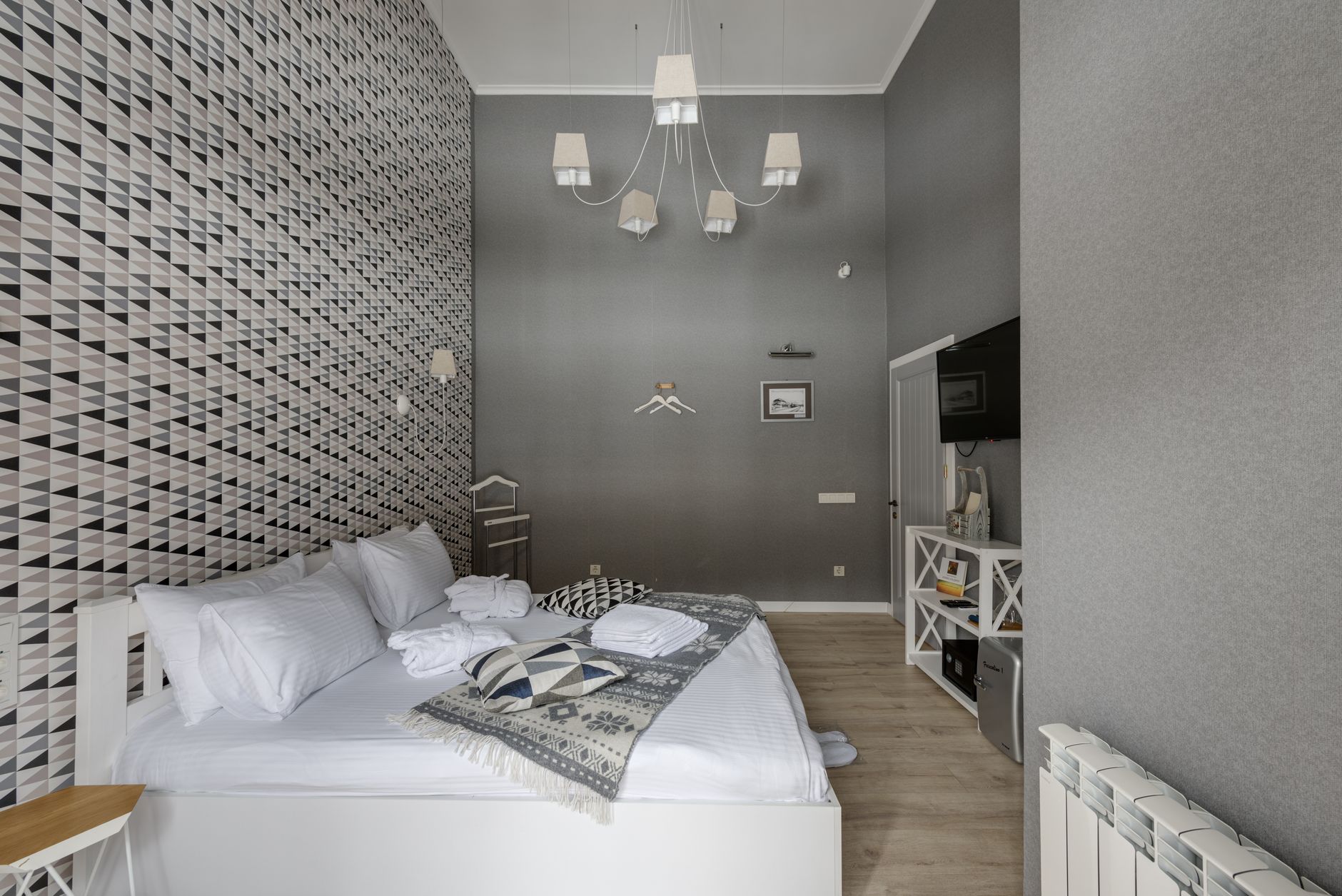
1. High-Quality Images and Virtual Tours
Visual appeal is paramount for boutique hotels. Guests want to see where they will be staying, and high-quality images can make or break their decision. Consider the following:
- Professional Photography: Invest in a professional photographer who can capture the essence of your hotel. Aim for at least 20 high-resolution images showcasing different areas, including rooms, amenities, and unique features.
- Virtual Tours: Incorporate 360-degree virtual tours of your rooms and common areas. This feature can increase engagement and give potential guests a realistic view of your property.
- Loading Speed: Ensure images are optimized for web use. A gallery that takes more than 3 seconds to load can lose potential guests. Aim for a loading time of under 2 seconds.
2. User-Friendly Booking Engine
Your booking engine should be intuitive and quick. A complicated booking process can lead to abandoned reservations. Here’s a checklist to improve your booking engine:
- Simple Navigation: Ensure that the booking button is prominently displayed on every page of your website.
- Mobile Optimization: Over 50% of hotel bookings are made on mobile devices. Your booking process should be seamless on smartphones and tablets. Aim for a maximum of three clicks to complete a booking.
- Clear Pricing: Display your direct booking prices clearly, and consider including a price comparison with OTAs to highlight savings for direct bookings.
3. Engaging Content and SEO Optimization
Content is king, and it plays a vital role in attracting guests. Here are some strategies to enhance your content:
- Local SEO: Use keywords like “boutique hotel near me” and “romantic getaway” throughout your website to improve search engine visibility. Aim for a keyword density of 1-2%.
- Blogging: Maintain a blog that offers travel tips, local attractions, and unique experiences at your hotel. This can improve your SEO and engage potential guests.
- Call-to-Actions (CTAs): Include clear CTAs on every page, encouraging visitors to book directly or sign up for newsletters.
4. Guest Reviews and Testimonials
Reviews play a significant role in influencing potential guests. Here’s how to manage them effectively:
- Display Reviews: Showcase positive reviews prominently on your homepage and dedicated testimonials page. Use platforms like TripAdvisor and Google Reviews to build credibility.
- Respond to Reviews: Develop a strategy to respond to both positive and negative reviews. Aim to respond within 24 hours to show that you value guest feedback.
- Encourage Reviews: After a guest’s stay, send a follow-up email encouraging them to leave a review. Consider offering a small discount on their next stay as an incentive.
5. Clear Contact Information and Customer Support
Make it easy for potential guests to reach you. Here’s what to include:
- Contact Page: Have a dedicated contact page with a contact form, phone number, and email address. Ensure that this page is easily accessible from the main navigation.
- Live Chat: Consider adding a live chat feature to assist visitors in real-time. This can increase conversion rates by addressing questions immediately.
- Social Media Links: Include links to your social media profiles to encourage guests to connect with you and share their experiences.
6. Special Offers and Packages
Attract guests with enticing offers. Here’s how to present them effectively:
- Seasonal Packages: Create special packages for holidays, weekends, or local events. For example, a “Romantic Getaway Package” could include a bottle of wine and late checkout.
- Discounts for Direct Bookings: Offer exclusive discounts for guests who book directly through your website. Highlight these offers on your homepage.
- Newsletter Sign-Up: Encourage visitors to sign up for your newsletter for exclusive deals. This can help you build a database of potential guests.
7. Analytics and Performance Tracking
Understanding how your website performs is key to making improvements. Here’s what to monitor:
- Google Analytics: Set up Google Analytics to track visitor behavior, including bounce rates, page views, and conversion rates. Aim for a bounce rate below 40%.
- Booking Conversion Rates: Monitor how many visitors complete a booking. A conversion rate of 2-5% is considered average for hotel websites.
- SEO Performance: Use tools like SEMrush or Ahrefs to track your keyword rankings and organic traffic. Regularly audit your content to ensure it remains relevant.
Where to Start
Ready to enhance your boutique hotel website? Start by conducting an online presence audit to identify areas for improvement. A thorough audit will help you understand how well your website is performing and what changes can lead to more direct bookings. Consider investing in a $129 audit from GetBizAudit, which will provide actionable insights tailored to your hotel’s needs.
Want this done for you — automatically?
The GetBizAudit Boutique Hotels & B&Bs audit checks everything in this article against your actual business: Google reputation, local rankings, website health, conversion readiness and AI search visibility — ranked by revenue impact.
Get my audit — $89 →